 Reviews


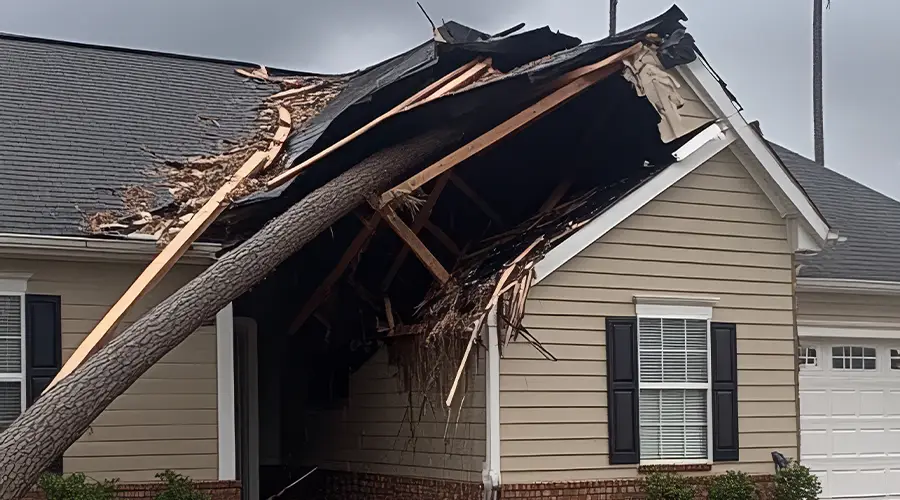
Storms can damage a roof in ways that are obvious and ways that stay hidden until a leak or structural problem appears. High wind, heavy rain, hail, and falling debris can all weaken roofing materials, loosen flashing, damage gutters, and expose your home to water intrusion. When that happens, acting quickly is important. The right response can help protect your home, reduce further damage, and make the repair process easier to manage.
Many homeowners feel overwhelmed right after a storm, especially when there is visible roof damage or water entering the home. The good news is that a clear plan can help you stay organized and avoid common mistakes. In this guide, we will walk through the most important steps to take right away after storm damage affects your roof and explain why each step matters.
Why Fast Action Matters After Storm Damage?
Roof damage should never be treated as something to handle later. Even a small area of storm-related wear can allow moisture to enter the home and spread into insulation, drywall, wood framing, and attic spaces, making emergency roof repair essential to prevent further damage.
Taking action quickly can help you:
- Limit interior water damage
- Prevent mold and moisture buildup
- Reduce the risk of structural problems
- Make repairs simpler and more affordable
- Document the condition of the roof before it worsens
- Protect your home before the next storm arrives
The sooner you respond, the better chance you have of controlling the damage.
Step 1: Put Safety First
Your first priority should always be safety. After a storm, the roof may be slippery, unstable, or affected by hidden damage. There may also be fallen branches, loose materials, or electrical hazards around the property.
Right away, make sure you:
- Stay off the roof yourself
- Keep children and pets away from damaged areas
- Watch for fallen power lines or electrical risks
- Avoid standing water near electrical fixtures indoors
- Use caution if entering the attic after a storm
A quick inspection from the ground is helpful, but walking on a damaged roof is not a safe choice for most homeowners.
Step 2: Check for Visible Signs of Roof Damage
Once it is safe to do so, take a careful look at the property from the ground. You may be able to spot clear warning signs that the roof has been affected.
Look for:
- Missing shingles
- Lifted or curled shingle edges
- Debris or branches on the roof
- Bent or detached flashing
- Dented vents or metal roof components
- Loose or sagging gutters
- Pieces of roofing material in the yard
A visual check helps you understand whether the damage appears minor or more widespread. It also gives you useful information to share with a roofing professional.
Step 3: Look Inside for Leak and Moisture Signs
Not all storm damage can be seen from outside. In many cases, the first serious clue appears inside the home. Water may enter through a damaged section of the roof and show up indoors in a different location.
Check upper rooms and attic areas for:
- Brown or yellow ceiling stains
- Damp walls near the ceiling
- Dripping water
- Wet insulation in the attic
- Musty odors
- Peeling paint or bubbling drywall
These signs may mean water is already moving through the roof system and into the home.
Step 4: Protect the Interior of Your Home
If water is actively entering the home, take simple steps to protect your belongings and reduce immediate interior damage while you wait for professional help.
Helpful actions include:
- Move furniture, electronics, and valuables away from wet areas
- Place containers under active drips
- Use towels or plastic sheeting to protect floors and belongings
- Relieve pooled water in ceiling bulges only if it is safe and necessary
- Keep the affected room as dry and ventilated as possible
These temporary steps do not fix the roof, but they can reduce the amount of secondary damage inside the home.
Step 5: Document the Damage
Good documentation is important after storm damage. Take clear photos and notes as soon as you safely can. This record helps show the condition of the roof and home right after the storm and can also be useful during repair planning.
Try to document:
- Roof damage visible from the ground
- Debris that hit the roof
- Missing shingles or damaged gutters
- Interior stains or active leaks
- Wet attic materials
- Any damage to siding, windows, or exterior fixtures
Take wide photos and close-up photos when possible. Clear documentation can make the next steps easier and more organized.
Step 6: Avoid Delaying Temporary Protection
If the storm created an opening in the roof, temporary protection may be needed to keep more water out until permanent repairs can be completed. This is especially important if additional rain is expected.
Temporary protection may involve:
- Tarping exposed sections of the roof
- Covering damaged openings
- Stabilizing loose materials
- Reducing active water entry points
These are usually best handled by professionals because storm-damaged roofs can be dangerous to access. Temporary protection is not the final solution, but it helps prevent the condition from getting worse.
Step 7: Schedule a Professional Roof Inspection
One of the most important steps is having the roof inspected by a qualified roofing professional. Storm damage is not always easy to identify without training. A professional can check for both obvious damage and hidden issues that may lead to leaks or early roof failure.
A roof inspection can help identify:
- Missing, cracked, or bruised shingles
- Flashing damage
- Hail-related wear
- Vent and chimney area issues
- Weak spots that may leak later
- Damage to gutters, roof edges, and drainage areas
A proper inspection gives you a clearer picture of what needs to be repaired right away and what should be monitored.
Step 8: Understand Whether Repair or Replacement Is Needed
Not every storm-damaged roof needs full replacement. In some cases, the damage is limited and can be repaired successfully. In other cases, the storm may have affected large sections of an older roof, making replacement the more reliable option.
Factors that influence this decision include:
- Age of the roof
- Size and location of the damage
- Number of affected areas
- Condition of shingles and flashing before the storm
- Presence of leaks or structural concerns
A roofing professional can explain whether the roof needs a targeted repair or a broader solution.
Step 9: Do Not Ignore Minor Damage
One of the most common mistakes homeowners make is assuming the damage is too small to worry about. A few missing shingles or a slightly bent flashing edge may not seem urgent, but these weak points can allow water in during the next storm.
Minor storm damage can lead to:
- Slow hidden leaks
- Damaged insulation
- Mold growth in attic spaces
- Rotting wood decking
- More expensive repairs later
What looks small today may become much more serious if left exposed.
Step 10: Plan Repairs as Soon as Possible
After the inspection, move forward with repairs as soon as you reasonably can. Waiting too long increases the chance that the next rainfall, temperature shift, or wind event will make the damage worse.
A timely repair can help:
- Restore the roof’s protective barrier
- Prevent deeper moisture problems
- Extend the life of the existing roof
- Improve peace of mind during future storms
- Keep repair costs from rising further
Prompt action is often the difference between a manageable repair and a much larger restoration project.
Signs You Should Call for Immediate Help
Some roof damage needs attention faster than others. Call a roofing professional right away if you notice:
- Active water entering the home
- Large sections of missing shingles
- Tree limbs or major debris on the roof
- A sagging area of the roofline
- Interior ceiling bulges from trapped water
- Widespread visible storm damage across the roof
These signs suggest that the problem may be more serious and should not wait.
Final Thoughts
Storm damage roof repair starts with fast, careful action. By putting safety first, checking for visible and indoor warning signs, protecting the interior, documenting the condition, and scheduling a professional inspection, homeowners can respond in a smart and organized way. Quick action helps reduce further damage and makes it easier to restore the roof before the problem spreads.
Storms can be unpredictable, but your response does not have to be. When you take the right steps right away, you give your home the best chance of staying protected, dry, and secure after severe weather.